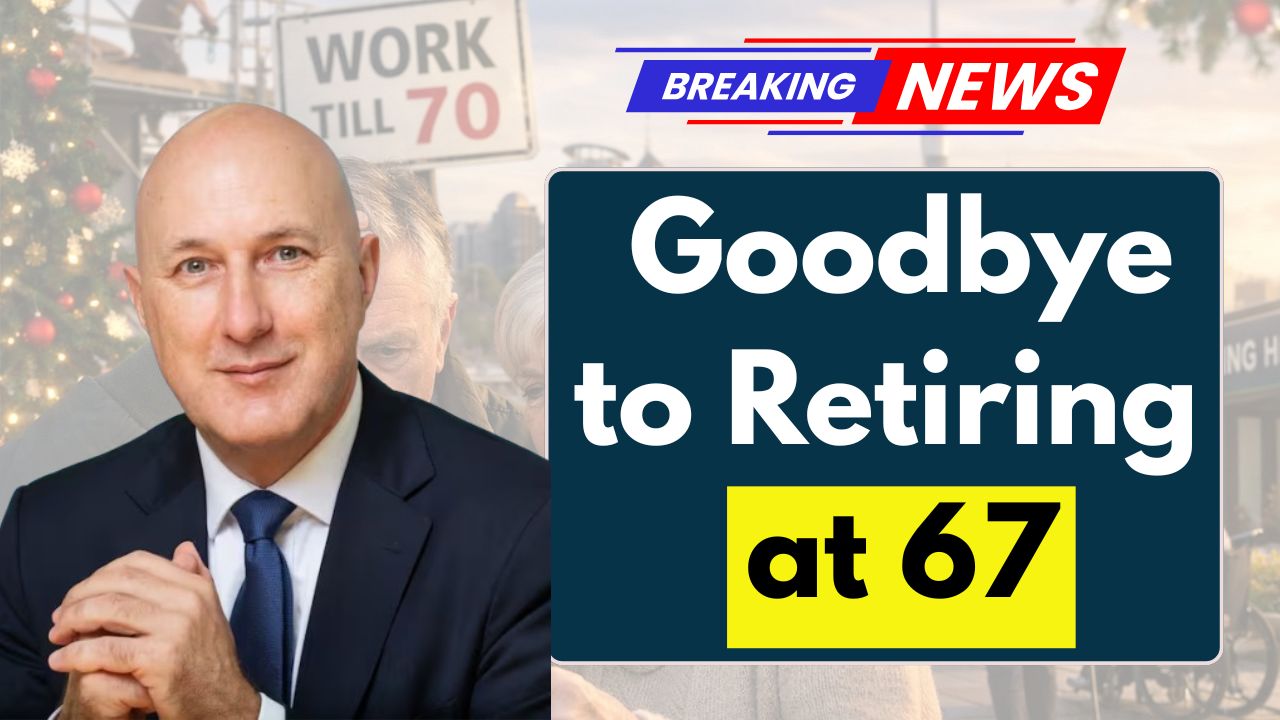
For many New Zealand seniors, retirement at 67 has long been seen as the finish line after decades of work. However, growing debate around ageing populations and rising government costs has raised concerns that this milestone may no longer be guaranteed, leaving many older workers uncertain about their future.
Why Retirement Age Is Under Pressure
New Zealand, like many developed countries, is facing an ageing population. People are living longer, healthcare costs are rising, and fewer working-age citizens are supporting more retirees. These pressures are pushing policymakers to reconsider whether the current retirement age is sustainable in the long term.

Rising Living Costs Add to the Struggle
For seniors, the challenge is not just about working longer but also about keeping up with the cost of living. Housing, healthcare, food, and utilities continue to rise, making it harder for retirees to rely solely on pensions or savings. This financial strain is forcing many seniors to stay in the workforce beyond their planned retirement age.

Impact on Physical and Mental Wellbeing
Working longer can be difficult for seniors, especially in physically demanding jobs. Extended working years may affect health, energy levels, and overall wellbeing. Many older workers worry that delaying retirement will reduce the quality of their later years, turning the so-called golden age into a period of exhaustion rather than enjoyment.

Inequality Among Seniors Is Growing
Not all seniors are affected equally. Those with stable careers, strong savings, and flexible jobs may cope better with delayed retirement. However, workers in manual labour or lower-income roles often face greater hardship, as continuing work becomes physically and financially challenging.

What This Means for Future Retirees
If retirement continues to be pushed further away, future retirees may need to rethink their financial planning. Saving more during working years, staying employable later in life, and planning for longer careers could become essential for maintaining financial independence in old age.
Conclusion
The idea of retirement at 67 in New Zealand is increasingly under question, leaving many seniors anxious about their future. As economic pressures grow, the golden years may arrive later than expected. For today’s workers and future retirees, adapting early and planning carefully may be the key to navigating a retirement landscape that keeps shifting further away.