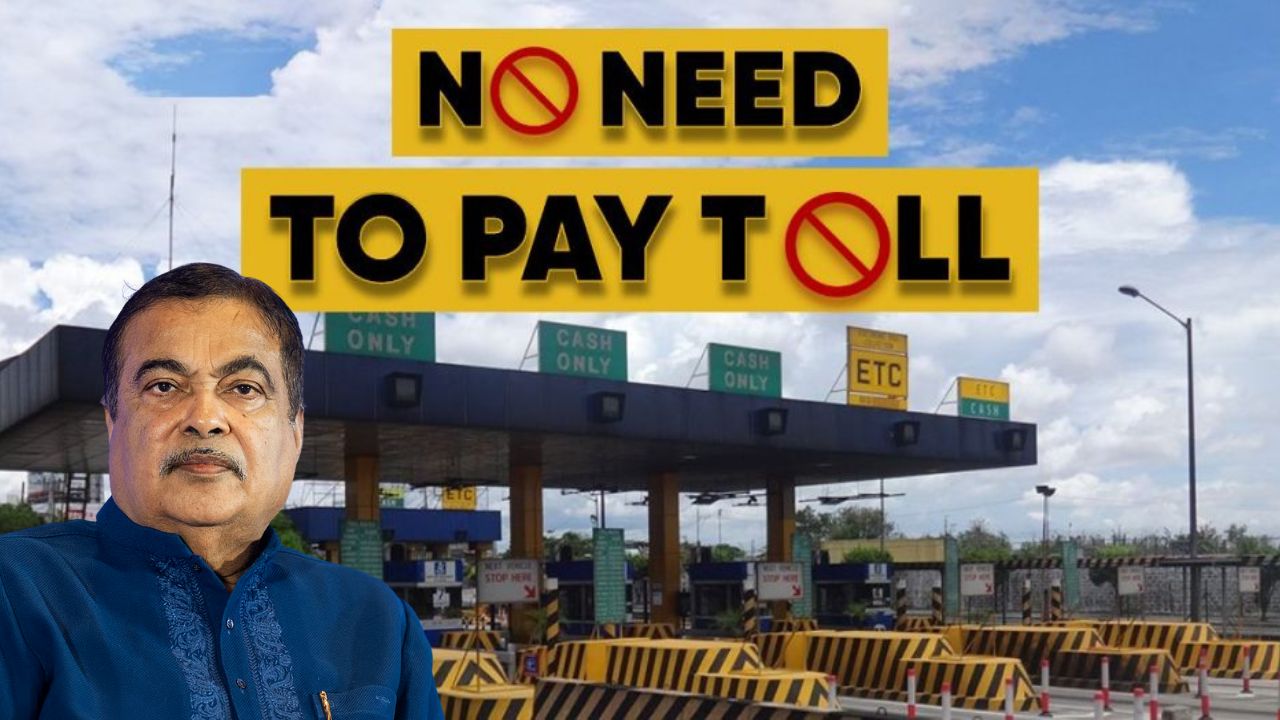
While most drivers in India are required to pay toll tax on national highways and expressways, the government has laid down clear rules under which certain people and vehicles are completely exempt. Many motorists remain unaware of these provisions and end up paying toll charges unnecessarily.
Why Toll Tax Is Collected
Toll tax is collected to recover the cost of highway construction, maintenance, and expansion. It also helps improve road safety and travel efficiency. However, keeping public interest and administrative needs in mind, the government provides exemptions to specific categories.
Government-Exempted Individuals
Certain high-ranking constitutional authorities are allowed to cross toll plazas without payment. This exemption applies only when they are traveling for official purposes. The rule ensures smooth movement and avoids delays for key public offices.

Emergency and Essential Service Vehicles
Vehicles providing emergency services are fully exempt from toll tax. Ambulances, fire brigade vehicles, police vehicles on duty, and disaster management vehicles can cross toll plazas without paying any fee to ensure timely response.
Defense and Paramilitary Vehicles
Vehicles belonging to the Indian Army, Navy, Air Force, and paramilitary forces are exempt from toll charges. This rule applies to both official convoys and operational movement related to national security.

Local Residents Near Toll Plazas
People living within a specified radius of a toll plaza are eligible for toll concessions or complete exemption. These residents must provide valid address proof and obtain a local pass to avail the benefit.
Agricultural and Government Utility Vehicles
Tractors, farm equipment, and vehicles used for agricultural purposes are usually exempt from toll charges. Similarly, vehicles owned by local municipal bodies and government departments performing civic duties are not required to pay toll tax.

VIP and Official Categories Covered Under Exemption
The exemption list includes select constitutional post holders and dignitaries during official travel. However, personal vehicles used for private travel are not covered unless clearly specified.
Summary of Toll Exemption Categories
| Category | Toll Payment Requirement |
|---|---|
| Emergency Vehicles | No toll required |
| Defense and Paramilitary Vehicles | Fully exempt |
| Government Utility Vehicles | Exempt during official duty |
| Local Residents Near Toll Plaza | Exempt or discounted |
| Agricultural Vehicles | No toll required |
| Official Convoys | Exempt |
Important Conditions to Remember
Toll exemption is strictly subject to valid identification and official use. If documents are missing or the vehicle is used for personal travel, toll payment may still be required.

Conclusion
Toll tax exemptions exist to support essential services, national security, and local communities. Knowing these rules can help you avoid unnecessary charges and ensure a smoother travel experience. Before your next highway journey, it’s worth checking whether you fall under any toll-exempt category.