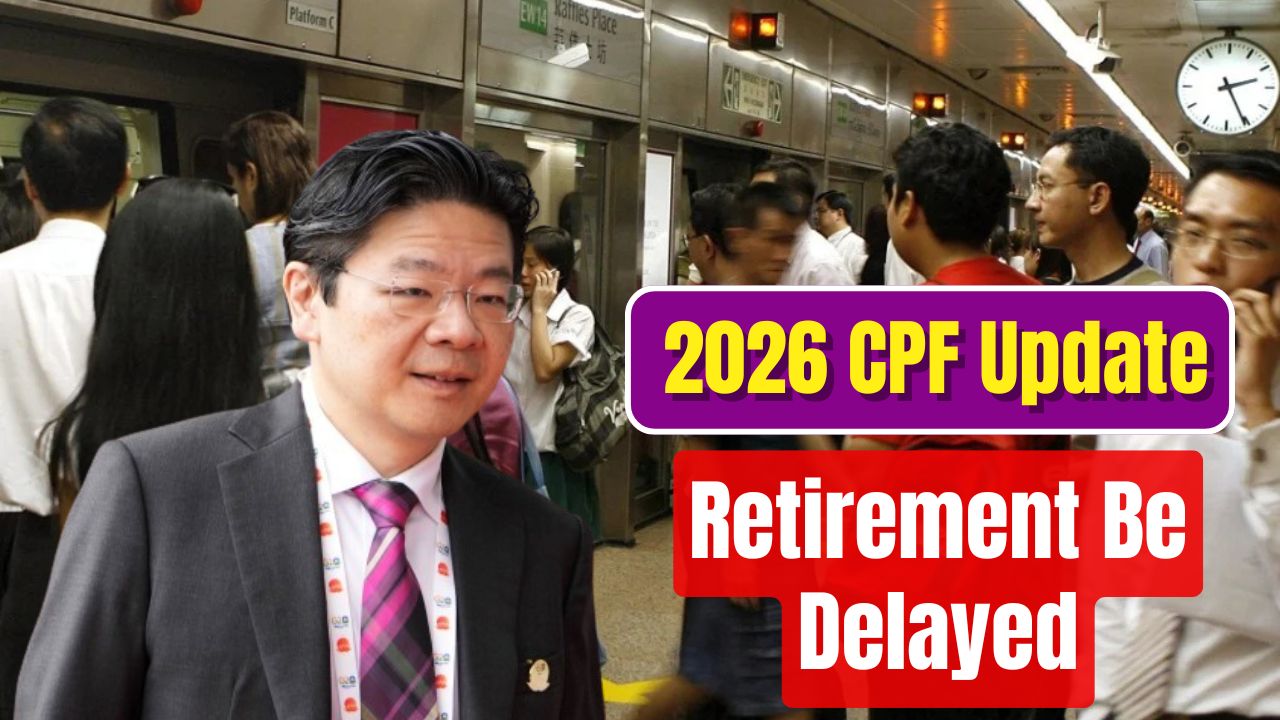
Singapore has announced that the default CPF savings payout age would increase from 65 to 66 starting in 2026, marking a significant change in terms of retirement. This change is in line with broader demographic and economic factors, affecting the plans of individuals currently mapping out their retirement timelines. With CPF serving as a crucial cornerstone for retirement income in the country, any insights revolving around this adjustment will be of great relevance for future retirees.
Why the Singaporean CPF Payout Age Is Being Raised
The given decision to raise the norm CPF payout age to an increased 66 years, starting in 2026, has the underlying aim of ensuring long-run sustainability of retirement funds amidst extended ageing of the population.
With prolonged life expectancy and increased costs on medical care, policymakers want to promote longer career participation, meaning greater retirement savings to finance ongoing financial security throughout an extended life.
Under the latest policy, CPF members can only begin drawing their payouts and Retirement Sum Scheme benefits at the age of 66 as opposed to 65 years. Therefore, the new rule affects CP members who reach their payout age on or after 1 January 2026. The change affects the timing, giving members time to enjoy their CPF savings at a later time for their retirement payments.

Impact on Retirement Planning
With the move of CPF payout age from 65 to 66, many Singaporeans may find their retirement plans greatly impaired and will have to reexamine them. People who had intended to cash out on their retirement plans at the age of 65 will also need to adjust their financial projections and the nitty-gritty details of their budgets to reflect the new payout age.
Those who have resources to offset this change may be able to transition more easily than those without. Their plan, therefore, could come to include updated schedules for phased retirement.
Impacts on Monthly Retirement Incomes
An adjustment to the payout age can also have an effect on the monthly retirement income levels. By allowing people to put off their CPF payouts, meaning that individuals can accumulate higher balances, this will allow for the payment of higher monthly payouts for the person at some later stage of their retirement. Long-term accumulation will ensure long-term income security, though it signifies a fair amount of careful planning required during that interim period.

Concerns for Those Close to Retirement
A call to stakeholders is a dire requirement for Singaporeans nearing 65 to review their CPF statements, Retirement Account balance, as well as entire retirement strategy. Advisors may recommend focusing on supplementing savings, delaying retirement, or engaging in part-time work between ages 65 until 66 to fill any future income gaps.
Big-Picture Policy Considerations
The adjustment in CPF payout age is part of the continual policy reforms which hopefully will enhance retirement adequacy, eases pressure on public resources, and in synchrony make the retirement income conservation match with demographic realities.
The move holds true within the backdrop of global trends where for a number of countries with a majority elderly population, the retirement age increases to support the sustainability of social security.

What Members Need To Do Now
Inform themselves about the changes through official CPF communications, assess their individual CPF Retirement Plans, and adapt their saving strategies, as appropriate. The modification encourages young adults and families to become proactive in their planning for retirement.
How Millennials Might be Affected.
Again, the alteration works primarily on the retirement front. For the younger CPF members, the new payout age should replace earlier notions about retirement or just be factored in.
An understanding of historical changes of retirement age standards will thus dictate how one can document objectives related to saving habits, investments, and insurance measures for retirements in an outlay that accounts for policy norms.

Conclusion
The adoption of Singapore’s CPF government retirement age at sixty-six by 2026 is notable because it also bumps up another life plan for Singaporean retirees. It would certainly affect retirement income and access to retirement for a million individuals whose predicted retirement age was already premised upon a 65-year limit.
As soon as they can, they need good nearer decisions, working to align into long-term financial security overall or individually. It will be essential for anybody contemplating retirement to effectively plan and unofficially accept CPF plans so that the ever-changing landscape does not leave them bewildered.