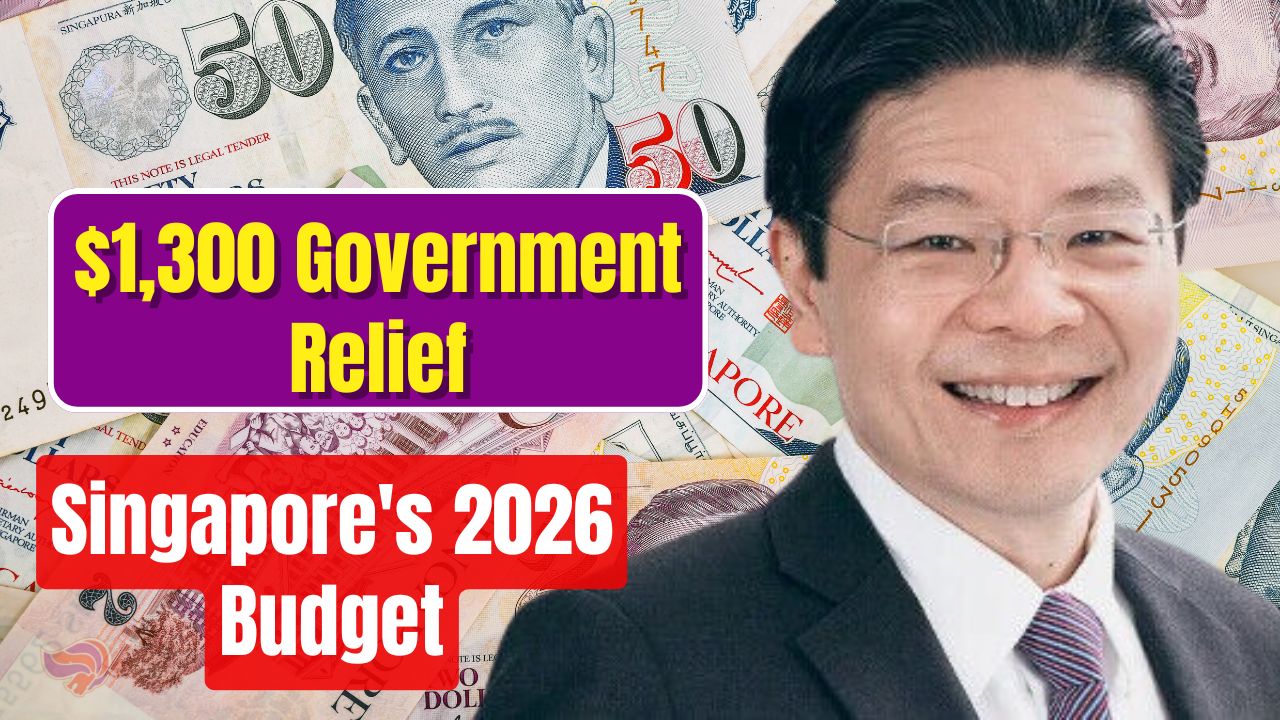
Singapore’s government is considering $1300 as relief to help cushion families. An ounce of prevention from their side, it seems. One primary objective of the nation-wide relief is to stimulate domestic expenditure.
The Package Explanation
The $1300 relief windfall was not just restricted to a cash handout, but also included forms of credits and vouchers, spread out through the year, in order to provide some of the financial assistance required by a certain section of the population for essentials.
The combined effects of spiraling living costs and global economic uncertainties are putting the pressure on many a household. The 2026 adjustment fund is designed to protect household purchasing capacity and encourage spending within the domestic economy during a time of adjustment. This is aimed at bolstering consumer confidence through most direct resident support to keep economic momentum chugging along.

NATURE OF BENEFICIARIES
The support, by and large, is intended for lower- to middle-income households. However, additional support goes for seniors, families with children, and individuals facing high costs of living. Applicants are considered on the basis of income, home ownership, and family composition to ensure those most deserving.
THE ADMINISTRATIVE PROPERTIES OF THE $1,300 SUPPORT
It is anticipated that funneled windfall payments may be dished out across 2026 in increments, not one time. This process of piecemeal disbursements assists households to devise ways to deal with their monthly expenditures over a period, coordinating with some critical payment periods such as billing cycles of utilities or daily consumption.

When Payments and Benefits Will Begin
The front-end of relief is anticipated to be paid in early 2026, with a stream of complementary flows over the course of the year. Concrete timeline guides would inform recipients about when to expect the respective installments. Would benefit recipients of these variable installations arrange their finances with some planning.
In What Ways Will This Stimulus Aid in Economic Recovery?
Since the broad amount of money is being put directly into residents’ hands, this will lead to local expenditure, ultimately helping small businesses and service providers. These flows of money in exchange of goods and services would lead to jobs steaming up, enhance demand, and offer greater economic strength as part of the recovery process.
What Households Should Do Right Now
For the cost of relief, many families expect to expend roughly $1,300. Their expenditures will be on MP essential factors such as groceries, electricity, transportation, and health. This help could thus extend a short term for modest relief to disadvantageous conditions prevailing.
What This Could Hold for the Long Term Policy
In augmentation alongside the a major social protection scheme, the 2026 relief sums up to the other subsets of aid by being trimmed to benefits going to fiscal responsibility or toward inclusive growth. With this gear-work in hand, the applications of relief to weighting with the urgent need of families find the government intermittently attempting to balance economic competitiveness with social protection.

Conclusion
The one-off payout of $1,000 as announced in Singapore’s 2026 Budget is an important move to alleviate the present cost burdens and is a support to the recovery of the country. This support is maximized only if a household is informed and prepared to benefit from what is given. Additionally, it will encourage available inflow of demand from the high level to spur consumer confidence and spending during the year.